
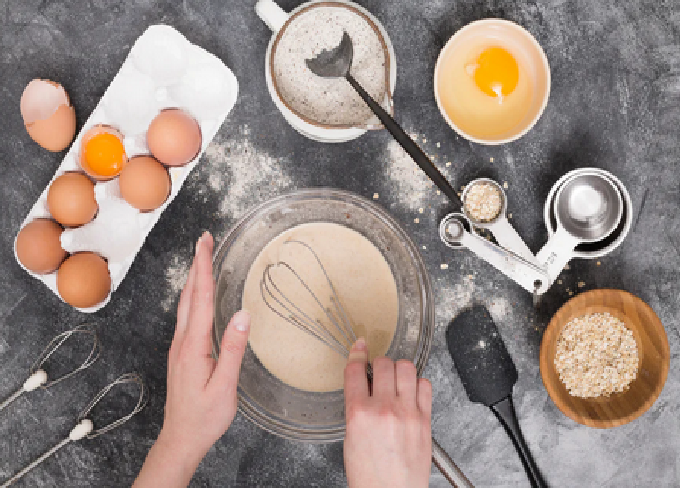
Baking is both an art and a science. It brings joy, warmth, and delicious aromas to your kitchen — but even the most experienced bakers can make mistakes. From incorrect measurements to wrong oven temperatures, small errors can ruin your cake, cookies, or bread. The good news is that every mistake can be avoided with the right techniques and a little attention to detail. In this article, we’ll explore the top 12 baking mistakes and share expert tips on how to avoid them so you can bake like a pro every time.
1. Not Measuring Ingredients Correctly
Baking is all about precision. Unlike cooking, where you can add a pinch of this or that, baking requires exact measurements. Too much flour or too little sugar can completely change the texture and flavor of your baked goods.
Common Mistake:
Scooping flour directly from the bag using the measuring cup, which packs the flour and adds extra weight.
How to Avoid It:
-
Always use dry measuring cups for dry ingredients and liquid measuring cups for liquids.
-
For flour, spoon it into the measuring cup and level it off with a knife.
-
Use a digital kitchen scale for the most accurate results — professional bakers swear by it.
2. Using Ingredients at the Wrong Temperature
The temperature of ingredients can make or break your recipe. Butter that’s too soft or eggs that are too cold can affect how ingredients mix and rise.
Common Mistake:
Using cold butter when the recipe calls for room temperature, or not bringing eggs to room temperature before mixing.
How to Avoid It:
-
Plan ahead and take out butter, eggs, and milk about 30 minutes before baking.
-
To quickly soften butter, cut it into small cubes and leave it at room temperature for 10–15 minutes.
-
For eggs, place them in warm (not hot) water for about 5 minutes before using.
3. Overmixing or Undermixing the Batter
Mixing plays a crucial role in developing texture. Overmixing can make your cakes dense, while undermixing can leave lumps or uneven ingredients.
Common Mistake:
Mixing the batter too long after adding flour, which develops too much gluten and results in a tough texture.
How to Avoid It:
-
Once you add flour, mix just until combined — stop as soon as you no longer see dry streaks.
-
For muffins, pancakes, and quick breads, a few lumps are perfectly fine.
-
Use a spatula for folding instead of a mixer when recipes call for gentle mixing.
4. Not Preheating the Oven Properly
One of the most overlooked baking steps is preheating the oven. Putting your batter in a cold or underheated oven can prevent proper rising and lead to uneven baking.
Common Mistake:
Starting to bake before the oven reaches the correct temperature.
How to Avoid It:
-
Preheat your oven for at least 15–20 minutes before baking.
-
Use an oven thermometer to ensure the actual temperature matches the setting.
-
Avoid opening the oven door frequently, as this causes temperature fluctuations.
5. Opening the Oven Door Too Often
It’s tempting to peek inside the oven to check on your masterpiece, but doing so can lead to baking disasters.
Common Mistake:
Opening the oven door multiple times, causing heat to escape and the temperature to drop suddenly.
How to Avoid It:
-
Resist the urge to peek. Use the oven light and window instead.
-
Only open the door when your recipe’s baking time is nearly up or when it’s necessary to rotate pans.
-
Remember, every time you open the door, the temperature can drop by 20–30 degrees Fahrenheit.
6. Using the Wrong Type of Flour
Different flours have different protein contents, which affect texture and structure. Using the wrong one can cause your baked goods to turn out too dense or too crumbly.
Common Mistake:
Using all-purpose flour when the recipe calls for cake flour or bread flour, leading to texture problems.
How to Avoid It:
-
Follow the recipe and use the exact type of flour specified.
-
If you don’t have cake flour, you can make a substitute:
-
For each cup of all-purpose flour, remove 2 tablespoons and replace with 2 tablespoons of cornstarch.
-
-
For bread, always use bread flour to achieve better gluten development.
7. Ignoring Ingredient Freshness
Old baking powder, stale flour, or expired yeast can ruin your results no matter how perfectly you follow the recipe.
Common Mistake:
Using expired leavening agents or old spices that have lost their potency.
How to Avoid It:
-
Always check expiration dates on baking powder, baking soda, and yeast.
-
Store flour and baking ingredients in airtight containers in a cool, dry place.
-
Test baking powder freshness by adding 1 teaspoon to hot water — if it bubbles, it’s still active.
8. Incorrect Oven Rack Position
Rack placement might seem minor, but it affects how evenly your items bake. Some recipes require more heat from the top or bottom.
Common Mistake:
Placing pans too close to the oven’s top or bottom, causing uneven browning or underbaked centers.
How to Avoid It:
-
Most recipes are designed for the center rack — use this unless otherwise stated.
-
For cookies, the middle rack gives even browning.
-
For pizzas or breads, the lower rack ensures a crisp crust.
9. Overbaking or Underbaking
Timing is crucial. A few extra minutes can mean the difference between moist and dry, or gooey and raw.
Common Mistake:
Relying only on baking time instead of checking doneness with visual and physical cues.
How to Avoid It:
-
Always set a timer for a few minutes less than the recipe suggests and check early.
-
Use a toothpick or cake tester — if it comes out clean or with a few crumbs, it’s ready.
-
Remember that baked goods continue cooking slightly after being removed from the oven.
10. Not Preparing the Pan Properly
Improper pan preparation can cause cakes to stick, cookies to burn, or breads to rise unevenly.
Common Mistake:
Forgetting to grease and flour the pan, or using the wrong type of baking pan.
How to Avoid It:
-
Always follow pan preparation instructions exactly — grease, flour, or line with parchment paper.
-
For cakes, butter and flour the sides, and line the bottom with parchment paper.
-
Use light-colored pans to prevent over-browning; dark pans absorb more heat.
11. Substituting Ingredients Without Understanding Their Role
It’s tempting to replace ingredients, especially when trying to make recipes healthier, but not all substitutions work the same way in baking.
Common Mistake:
Replacing butter with oil or sugar with honey without adjusting other ingredients, leading to changes in texture or taste.
How to Avoid It:
-
Research before substituting — some swaps require changes in liquid ratios or baking times.
-
For example:
-
Replace 1 cup of butter with ¾ cup of oil when baking cakes.
-
When substituting honey for sugar, reduce liquid by ¼ cup for each cup of honey.
-
-
When in doubt, use tried-and-tested substitution guides or stick to the original recipe.
12. Not Letting Baked Goods Cool Properly
Patience is key in baking. Cutting into a cake or loaf before it’s fully cooled can cause it to crumble or lose its structure.
Common Mistake:
Removing baked goods too early from the pan or not allowing enough cooling time before frosting or slicing.
How to Avoid It:
-
Allow cakes and breads to cool in the pan for 10–15 minutes before transferring to a wire rack.
-
Let them cool completely before applying frosting or glaze — otherwise, it may melt or slide off.
-
Cookies can cool on the baking sheet for a few minutes before moving to a rack to finish.
Bonus Tip: Not Reading the Recipe Thoroughly
This might sound basic, but many baking problems start because people don’t read the recipe from start to finish before beginning.
Common Mistake:
Skipping steps, missing ingredients, or realizing halfway through that you needed softened butter.
How to Avoid It:
-
Always read the recipe completely before you start.
-
Gather and measure all ingredients first — this is called mise en place (everything in its place).
-
Check your oven settings and equipment before mixing begins.
Understanding the Science Behind Baking
Baking is chemistry. Ingredients react with each other to create rise, texture, and flavor. Understanding the basics can help prevent many mistakes.
-
Flour provides structure.
-
Fat (butter or oil) adds moisture and tenderness.
-
Sugar not only sweetens but also affects browning and texture.
-
Eggs bind and provide lift.
-
Leavening agents like baking soda or powder create air pockets for fluffiness.
When one of these elements is out of balance, your baked goods may turn out dense, dry, or uneven.
Common Baking Troubleshooting Guide
| Problem | Possible Cause | Solution |
|---|---|---|
| Cake is dense or heavy | Overmixed batter, too much flour | Mix less; measure flour properly |
| Cookies spread too much | Butter too soft or too little flour | Chill dough before baking |
| Muffins have peaked tops | Oven too hot | Lower temperature slightly |
| Bread didn’t rise | Old yeast or cold water | Use fresh yeast; warm water |
| Cake stuck to pan | Not greased properly | Line with parchment paper |
| Dry texture | Overbaked | Check earlier and remove when just done |
The Importance of Precision and Patience
Baking rewards precision, patience, and practice. Unlike savory cooking, it’s not about improvisation but about following exact ratios and steps. That doesn’t mean you can’t be creative — but creativity in baking comes after mastering the fundamentals.
When you know how ingredients behave, how ovens vary, and how timing affects texture, you can adjust confidently. Until then, stick to the science.
Final Thoughts: Mastering the Art of Baking
Every baker, even the pros, makes mistakes — the key is learning from them. Baking isn’t about perfection; it’s about progress. Each failed batch brings you closer to mastering the craft.
By measuring carefully, understanding ingredient behavior, following directions, and respecting baking times, you’ll avoid most common pitfalls and create consistent, delicious results every time.
So next time you put on your apron, remember these tips. With a little mindfulness and patience, your kitchen will soon smell like a professional bakery — and your cakes, cookies, and breads will look (and taste) like they came straight from one too.