
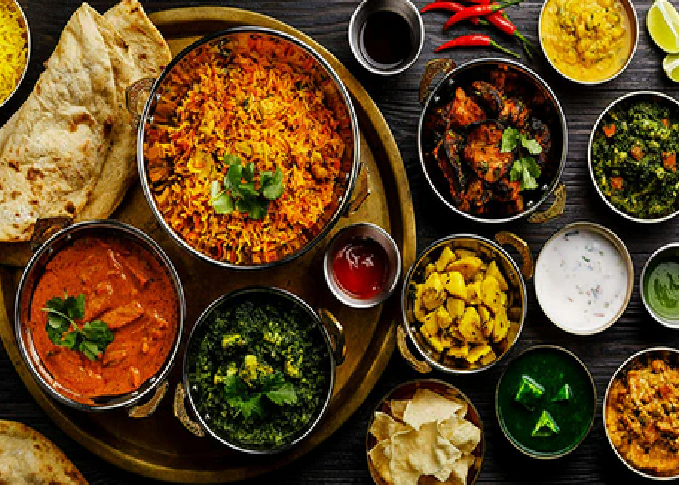
Food is more than just nourishment—it’s a universal language that connects people across cultures. Every country has its own distinctive flavors, cooking styles, and traditions that tell stories of history, geography, and community. From the spicy curries of India to the delicate sushi of Japan, exploring global cuisines is like traveling the world through your taste buds.
In this article, we’ll embark on a flavorful journey to discover 10 must-try international cuisines that have captured the hearts and appetites of food lovers everywhere. Whether you’re an adventurous eater or someone looking to expand your culinary horizons, these cuisines offer a perfect introduction to the diverse world of global gastronomy.
1. Italian Cuisine – A Celebration of Simplicity and Flavor
When it comes to beloved global cuisines, Italian food reigns supreme. Known for its emphasis on fresh ingredients and simple cooking techniques, Italian cuisine is the epitome of comfort and elegance.
Signature Dishes:
-
Pasta: From spaghetti carbonara to fettuccine Alfredo, Italy offers endless variations of pasta.
-
Pizza: Originating in Naples, authentic pizza features thin crust, tomato sauce, mozzarella cheese, and fresh basil.
-
Risotto: A creamy rice dish cooked slowly in broth, often infused with saffron or mushrooms.
Why It’s Popular:
Italian food is universally appealing because it balances flavor and freshness. Olive oil, tomatoes, garlic, and herbs create vibrant tastes without overwhelming the palate. It’s also highly regional—Tuscan dishes differ from Sicilian ones, showcasing the diversity within Italy itself.
2. Chinese Cuisine – The Art of Balance and Harmony
China’s vast culinary landscape reflects thousands of years of history and diverse regional influences. Chinese cuisine emphasizes balance—between sweet and savory, spicy and mild, crispy and tender.
Signature Dishes:
-
Dim Sum: A variety of bite-sized delicacies often served in bamboo baskets, perfect for sharing.
-
Kung Pao Chicken: A spicy stir-fry with chicken, peanuts, and chili peppers.
-
Peking Duck: A Beijing specialty featuring crispy duck skin and tender meat served with pancakes and hoisin sauce.
Why It’s Popular:
Chinese cuisine offers something for everyone, from mild noodle soups to fiery Sichuan dishes. The philosophy of yin and yang—achieving harmony in flavors and textures—makes every meal a delightful experience.
3. Indian Cuisine – A Symphony of Spices
India’s cuisine is as colorful and diverse as its culture. Known for its rich use of spices, herbs, and complex flavors, Indian food tantalizes the senses. Each region brings its own specialties, from creamy northern curries to coconut-infused southern dishes.
Signature Dishes:
-
Butter Chicken: Tender chicken cooked in a creamy tomato sauce, best enjoyed with naan bread.
-
Biryani: A fragrant rice dish layered with meat, saffron, and spices.
-
Masala Dosa: A crispy fermented crepe filled with spiced potatoes, served with chutneys.
Why It’s Popular:
Indian cuisine’s global popularity comes from its vibrant flavors and vegetarian-friendly dishes. It celebrates spice—not just heat but depth—offering a delicious blend of sweet, tangy, and savory tastes in every bite.
4. Japanese Cuisine – Elegance in Every Bite
Japanese cuisine is a masterclass in precision, presentation, and purity of flavor. With an emphasis on fresh, seasonal ingredients, it’s as much about aesthetics as it is about taste.
Signature Dishes:
-
Sushi and Sashimi: Fresh fish and rice seasoned with vinegar, often accompanied by wasabi and soy sauce.
-
Ramen: A hearty noodle soup with broth varieties like miso, shoyu (soy), and tonkotsu (pork).
-
Tempura: Lightly battered and deep-fried seafood or vegetables, known for its crisp texture.
Why It’s Popular:
Japanese cuisine highlights the natural essence of ingredients. It’s not heavily spiced or sauced, which makes it refreshing and clean. Plus, the focus on presentation turns every meal into an art form.
5. Mexican Cuisine – Bold, Colorful, and Full of Life
Mexican food is a celebration of color, spice, and tradition. Influenced by ancient Aztec and Mayan cultures as well as Spanish colonization, it combines indigenous ingredients with European techniques.
Signature Dishes:
-
Tacos: Soft or crispy tortillas filled with meat, beans, cheese, and salsa.
-
Guacamole: A creamy dip made from avocado, lime, cilantro, and onions.
-
Mole: A rich sauce made from chilies, chocolate, and spices, often served over chicken.
Why It’s Popular:
Mexican cuisine’s appeal lies in its bold flavors and versatility. It’s both comforting and exciting, offering endless ways to customize dishes. From street food to fine dining, Mexican food delights every kind of eater.
6. French Cuisine – The Foundation of Fine Dining
France has long been regarded as the birthplace of haute cuisine. French food emphasizes technique, quality ingredients, and presentation. From rustic countryside fare to elegant gourmet dishes, French cuisine embodies sophistication.
Signature Dishes:
-
Croissants and Baguettes: Buttery, flaky pastries and crusty bread are breakfast staples.
-
Coq au Vin: Chicken braised in red wine with mushrooms and onions.
-
Crème Brûlée: A creamy dessert with a caramelized sugar crust.
Why It’s Popular:
French cooking revolutionized the world’s culinary standards. Techniques like sautéing, roasting, and baking all stem from French tradition. Whether it’s a simple café meal or a Michelin-star dinner, France turns eating into an art.
7. Thai Cuisine – A Perfect Blend of Sweet, Sour, Salty, and Spicy
Thai cuisine is known for its balance of flavors and aromatic ingredients. Every dish aims to harmonize the four main tastes—sweet, sour, salty, and spicy—creating an unforgettable explosion of flavor.
Signature Dishes:
-
Pad Thai: Stir-fried noodles with shrimp, tofu, eggs, and peanuts.
-
Green Curry: A creamy coconut-based curry infused with green chilies and herbs.
-
Tom Yum Soup: A spicy-sour broth with shrimp, lemongrass, and lime leaves.
Why It’s Popular:
Thai food is exotic yet comforting. It uses fresh herbs, tropical fruits, and spices to create bold but balanced dishes. The combination of textures and aromas makes every meal an adventure.
8. Middle Eastern Cuisine – Rich, Aromatic, and Wholesome
The Middle East offers one of the world’s oldest and most diverse culinary traditions. Its cuisine is characterized by grains, legumes, olive oil, and fragrant spices. It’s also known for being both hearty and healthy.
Signature Dishes:
-
Hummus: A creamy dip made from chickpeas, tahini, lemon, and garlic.
-
Falafel: Crispy fried balls made from ground chickpeas or fava beans.
-
Shawarma: Marinated meat slow-cooked on a vertical rotisserie, served in pita bread.
Why It’s Popular:
Middle Eastern cuisine emphasizes communal eating—mezze platters filled with dips, bread, and salads encourage sharing. Its flavors are bold but balanced, with ingredients like cumin, mint, and pomegranate adding depth to every dish.
9. Greek Cuisine – Fresh, Mediterranean, and Flavorful
Greek food is the essence of the Mediterranean diet—light, nutritious, and full of natural flavors. Olive oil, herbs, fresh vegetables, and grilled meats are the core of this healthy cuisine.
Signature Dishes:
-
Moussaka: A layered dish of eggplant, ground meat, and béchamel sauce.
-
Greek Salad: Tomatoes, cucumbers, olives, feta cheese, and olive oil.
-
Gyros: Sliced meat served in pita bread with tzatziki sauce.
Why It’s Popular:
Greek cuisine’s simplicity and freshness make it universally loved. It’s also incredibly healthy, focusing on balance rather than indulgence. The use of local ingredients reflects the Greek lifestyle—natural, relaxed, and flavorful.
10. Spanish Cuisine – A Celebration of Sharing and Flavor
Spain’s culinary identity revolves around social dining and regional diversity. From seafood-rich coastal dishes to hearty inland stews, Spanish cuisine is all about bold flavors and vibrant colors.
Signature Dishes:
-
Paella: A saffron-infused rice dish with seafood, chicken, or vegetables.
-
Tapas: Small plates of appetizers like olives, chorizo, and patatas bravas, meant for sharing.
-
Churros: Fried dough pastries often served with thick hot chocolate.
Why It’s Popular:
Spanish cuisine encourages togetherness. The tapas culture allows diners to try multiple dishes in one meal, creating a fun and social dining experience. Its flavors—smoky, spicy, and savory—are comforting yet exciting.
The Global Table – How Food Brings the World Together
Food is one of the most powerful cultural connectors. It transcends language, nationality, and background. Each cuisine reflects centuries of history, migration, and creativity, telling the story of its people through taste.
In recent years, globalization has made international cuisines more accessible than ever. You can enjoy authentic ramen in Paris, Indian curries in Toronto, or tacos in Dubai. This culinary cross-pollination has sparked a global appreciation for diversity and experimentation.
Tips for Exploring International Cuisines at Home
-
Start Small: Choose one dish from a cuisine you’re curious about—like making homemade sushi rolls or Italian pasta.
-
Use Authentic Ingredients: Look for specialty stores or online markets that sell international spices, sauces, and condiments.
-
Watch Tutorials: Many chefs share recipes and cooking demonstrations that make learning easy.
-
Host a Themed Dinner Night: Choose a country, cook its signature dishes, and decorate your table accordingly.
-
Experiment with Fusion: Blend flavors from different cuisines—like Thai tacos or Italian-style stir-fry—to create something unique.
Conclusion: A World of Flavor Awaits
Exploring international cuisines isn’t just about tasting new foods—it’s about embracing different cultures, traditions, and perspectives. Every dish, from a simple Italian pasta to a complex Indian curry, carries the essence of its homeland.