
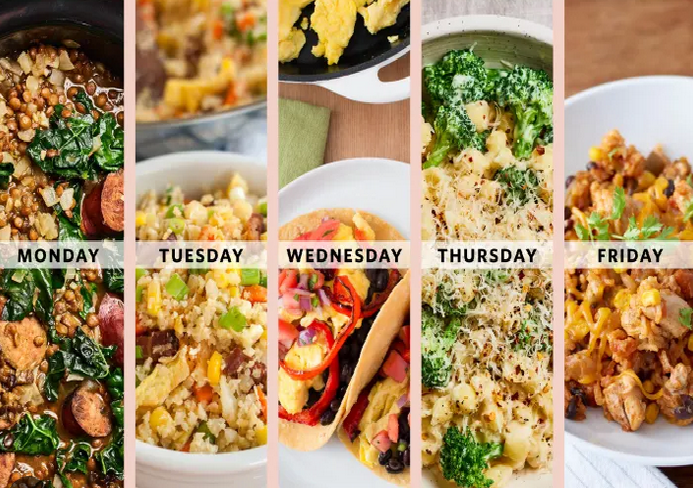
Maintaining a healthy diet doesn’t have to be expensive or complicated. Many people assume that eating nutritious meals requires spending a fortune on organic produce or fancy superfoods. In reality, with some smart planning, creativity, and the right ingredients, you can create budget-friendly, wholesome meals that support your health and fitness goals. This detailed guide explores affordable healthy recipes, meal-planning strategies, and practical tips to help you follow a balanced diet without straining your wallet.
The Importance of Eating Healthy on a Budget
Healthy eating is vital for overall well-being — it helps manage weight, supports immunity, boosts energy, and reduces the risk of chronic diseases. However, rising food costs often discourage people from maintaining nutritious diets. The good news is that healthy eating doesn’t depend on expensive foods but rather on smart choices, portion control, and home-cooked meals.
By focusing on simple ingredients, minimizing waste, and using affordable staples like lentils, rice, eggs, and seasonal vegetables, you can design a perfect diet plan that’s both nourishing and economical.
Smart Grocery Shopping Tips for Budget-Friendly Meals
Before diving into the recipes, it’s essential to understand how to shop smartly. Here are a few tips to stretch your food budget without compromising nutrition:
-
Plan Weekly Meals:
Create a meal plan before heading to the store. This reduces impulse buying and ensures you purchase only what you’ll actually use. -
Buy in Bulk:
Staples like oats, rice, lentils, and beans are cheaper in bulk and have a long shelf life. -
Choose Seasonal Produce:
Fresh fruits and vegetables that are in season are not only cheaper but also more flavorful and nutrient-rich. -
Opt for Frozen Vegetables:
Frozen produce retains most of its nutrients and can be stored longer, minimizing waste. -
Cook in Batches:
Prepare large portions and refrigerate or freeze leftovers for future meals. It saves both time and money. -
Limit Processed Foods:
Pre-packaged and processed foods are usually expensive and loaded with unhealthy fats, sugar, and sodium.
Building a Balanced and Affordable Diet Plan
A healthy diet includes a balance of macronutrients — carbohydrates, proteins, and fats — along with essential vitamins and minerals. Here’s how to build your meals affordably:
-
Carbohydrates: Choose whole grains like brown rice, oats, and whole wheat instead of refined versions.
-
Protein: Opt for eggs, lentils, beans, tofu, chicken, and canned fish for inexpensive, protein-rich meals.
-
Fats: Include healthy fats like olive oil, nuts, and seeds, but in moderation.
-
Fruits and Vegetables: Incorporate colorful, seasonal produce for a range of nutrients and antioxidants.
Breakfast Recipes for a Healthy Start
1. Oatmeal Power Bowl
Ingredients:
-
1 cup rolled oats
-
2 cups water or milk
-
1 banana, sliced
-
1 tbsp honey
-
A handful of nuts or seeds
Instructions:
-
Bring water or milk to a boil and add oats.
-
Simmer until thickened.
-
Top with banana slices, honey, and nuts for a delicious, fiber-rich breakfast.
Why It’s Budget-Friendly:
Oats are one of the most affordable whole grains. They keep you full for longer, reducing the urge for mid-morning snacks.
2. Veggie Omelet
Ingredients:
-
2 eggs
-
½ cup chopped vegetables (onion, spinach, bell peppers)
-
Salt and pepper to taste
Instructions:
-
Beat eggs with salt and pepper.
-
Sauté vegetables in a non-stick pan.
-
Pour in eggs and cook until done.
Tip: Pair with a slice of whole-grain bread for extra fiber.
Nutritional Benefits:
This meal is protein-packed, low in calories, and can be made using leftover vegetables.
3. Peanut Butter Banana Smoothie
Ingredients:
-
1 banana
-
1 tbsp peanut butter
-
1 cup milk (or almond milk)
-
½ tsp cinnamon
Instructions:
Blend all ingredients until smooth. Serve chilled.
Why It Works:
This smoothie offers a mix of protein, potassium, and healthy fats — great for muscle recovery and morning energy.
Lunch Recipes That Are Nutritious and Cheap
1. Chickpea Salad Bowl
Ingredients:
-
1 cup boiled chickpeas
-
1 cucumber, diced
-
1 tomato, diced
-
1 onion, chopped
-
1 tbsp olive oil
-
Lemon juice, salt, and pepper to taste
Instructions:
-
Mix all vegetables and chickpeas in a bowl.
-
Drizzle with olive oil and lemon juice.
-
Season with salt and pepper.
Budget Tip:
Canned or boiled chickpeas are inexpensive and can be used in multiple dishes throughout the week.
2. Lentil Soup
Ingredients:
-
1 cup red lentils
-
4 cups water
-
1 onion, chopped
-
1 carrot, diced
-
2 cloves garlic, minced
-
½ tsp cumin powder
-
Salt to taste
Instructions:
-
Sauté onion and garlic in a pot.
-
Add lentils, carrot, and spices.
-
Pour in water and simmer for 25–30 minutes until lentils soften.
Health Benefits:
High in protein, fiber, and iron, this soup supports muscle growth and digestion while being incredibly cost-effective.
3. Chicken and Rice Bowl
Ingredients:
-
1 cup cooked brown rice
-
½ cup grilled or shredded chicken
-
½ cup steamed vegetables
-
1 tbsp soy sauce
Instructions:
-
Layer rice, chicken, and vegetables in a bowl.
-
Drizzle with soy sauce and toss lightly.
Meal Prep Idea:
Cook chicken and rice in batches to create quick, healthy lunches for several days.
Dinner Recipes for a Balanced End to the Day
1. Vegetable Stir-Fry
Ingredients:
-
1 cup mixed vegetables (carrots, broccoli, bell peppers)
-
1 tbsp olive oil
-
2 cloves garlic, minced
-
1 tbsp soy sauce
Instructions:
-
Heat oil in a pan and sauté garlic.
-
Add vegetables and stir-fry for 5–7 minutes.
-
Add soy sauce and cook for another 2 minutes.
Tip:
Serve over rice or noodles for a satisfying, nutrient-dense meal.
2. Baked Sweet Potato with Beans
Ingredients:
-
1 large sweet potato
-
½ cup cooked kidney beans
-
1 tbsp olive oil
-
Salt, pepper, and chili flakes
Instructions:
-
Bake the sweet potato until soft.
-
Top with kidney beans, olive oil, and spices.
Why It’s Great:
This dish provides complex carbs, plant-based protein, and fiber while keeping costs low.
3. Tuna and Vegetable Pasta
Ingredients:
-
1 can tuna in water
-
1 cup whole-grain pasta
-
½ cup chopped vegetables
-
1 tbsp olive oil
-
Salt, pepper, and herbs
Instructions:
-
Cook pasta and drain.
-
Sauté vegetables, add tuna, and mix in pasta.
-
Drizzle olive oil and season to taste.
Budget Tip:
Canned tuna is affordable and high in protein, making it a staple for healthy diets.
Snacks and Quick Bites for Healthy Cravings
1. Roasted Chickpeas
Ingredients:
-
1 cup chickpeas
-
1 tsp olive oil
-
Spices (paprika, salt, pepper)
Instructions:
-
Toss chickpeas in oil and spices.
-
Bake until crispy.
Perfect For:
A crunchy, protein-rich alternative to chips.
2. Yogurt Parfait
Ingredients:
-
½ cup plain yogurt
-
¼ cup granola
-
½ cup seasonal fruits
Instructions:
Layer yogurt, granola, and fruits in a glass and serve chilled.
Nutritional Benefits:
Rich in probiotics, calcium, and antioxidants, this snack supports gut health and immunity.
3. Veggie Sandwich
Ingredients:
-
2 slices whole-grain bread
-
1 slice tomato, cucumber, lettuce
-
1 tsp hummus or low-fat cheese spread
Instructions:
-
Spread hummus on bread.
-
Layer with vegetables and toast lightly.
Budget Tip:
Using leftover vegetables helps minimize waste and save money.
Meal Prep Strategies for Saving Time and Money
-
Batch Cooking: Prepare large portions of staples like rice, beans, or grilled chicken and refrigerate for multiple meals.
-
Freeze Meals: Store soups, curries, and sauces in freezer-friendly containers for quick dinners.
-
Use Leftovers Creatively: Turn leftover rice into stir-fry, or yesterday’s roasted vegetables into a wrap.
-
Stick to a Weekly Budget: Assign a fixed amount for groceries each week to control spending.
-
Invest in Basic Spices: Herbs and spices like turmeric, cumin, and garlic enhance flavor without extra cost.
How to Stay Consistent with a Budget Diet Plan
Maintaining a healthy eating routine requires discipline, but a few habits can make it easier:
-
Set Realistic Goals: Start small and gradually replace unhealthy snacks with better alternatives.
-
Cook at Home: Home-cooked meals are cheaper and healthier than takeout.
-
Track Expenses: Use a notebook or mobile app to monitor food spending and adjust accordingly.
-
Stay Hydrated: Often, thirst is mistaken for hunger. Drinking more water can reduce unnecessary snacking.
-
Reward Yourself Occasionally: Enjoy your favorite treat once a week to stay motivated without guilt.
Sample 7-Day Budget-Friendly Meal Plan
Day 1:
-
Breakfast: Oatmeal Power Bowl
-
Lunch: Lentil Soup
-
Dinner: Vegetable Stir-Fry
Day 2:
-
Breakfast: Veggie Omelet
-
Lunch: Chickpea Salad
-
Dinner: Baked Sweet Potato with Beans
Day 3:
-
Breakfast: Smoothie
-
Lunch: Chicken and Rice Bowl
-
Dinner: Tuna Pasta
Day 4:
-
Breakfast: Yogurt Parfait
-
Lunch: Lentil Soup
-
Dinner: Stir-Fried Veggies with Brown Rice
Day 5:
-
Breakfast: Oatmeal with Fruits
-
Lunch: Chickpea Salad
-
Dinner: Grilled Chicken Wrap
Day 6:
-
Breakfast: Peanut Butter Smoothie
-
Lunch: Rice Bowl with Beans
-
Dinner: Sweet Potato and Vegetables
Day 7:
-
Breakfast: Veggie Sandwich
-
Lunch: Lentil Curry
-
Dinner: Pasta with Tuna and Vegetables
This plan includes all essential nutrients while keeping the cost manageable.
Conclusion: Eat Smart, Spend Less, Live Better
Healthy eating doesn’t require an expensive grocery list or complicated recipes. With thoughtful planning, a few staple ingredients, and creative combinations, you can prepare delicious, budget-friendly meals that support your overall health.
Focus on cooking at home, buying smartly, and reducing waste — these simple steps not only improve your nutrition but also save you money in the long run. Remember, the goal isn’t perfection but consistency — making small, sustainable changes that lead to a healthier, happier lifestyle.