
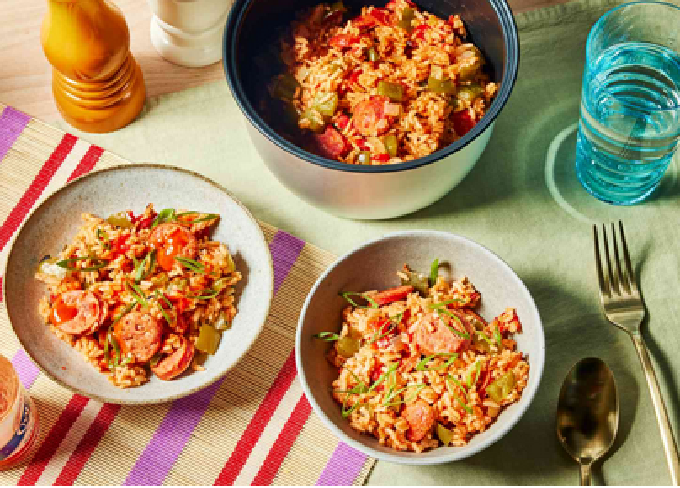
Cooking at home doesn’t have to be complicated or intimidating. For many beginners, stepping into the kitchen can feel like entering a new world filled with strange tools, ingredients, and recipes. But the truth is that cooking is a skill anyone can learn with patience and practice. It’s not only rewarding but also a great way to save money, eat healthier, and impress friends or family.
In this comprehensive Beginner’s Guide to Cooking Easy Meals at Home, we’ll cover everything you need to know—from essential kitchen tools and pantry staples to simple techniques and recipes. Whether you’re cooking for yourself or your family, this guide will help you build confidence and enjoy every moment in the kitchen.
1. Why Cooking at Home Matters
Before diving into techniques and recipes, it’s important to understand why cooking at home is worth your time.
-
Healthier choices: When you cook your own meals, you control the ingredients. You can use less oil, reduce sugar, and avoid preservatives that are often found in restaurant or packaged foods.
-
Cost-effective: Home-cooked meals are far cheaper than eating out. For the price of one restaurant dinner, you can often cook several meals at home.
-
Customization: You can tailor dishes to your taste—spicy, sweet, mild, or savory. Cooking at home gives you full creative freedom.
-
Skill development: Learning to cook builds a lifelong skill that boosts confidence and independence.
-
Quality time: Cooking can be a fun and bonding experience when done with family or friends.
2. Setting Up Your Kitchen: The Essentials
To cook easily and efficiently, you don’t need a fancy kitchen. Start small with a few essential tools and gradually add more as you progress.
Essential Cooking Tools
-
Knives: A sharp chef’s knife and a small paring knife are must-haves.
-
Cutting board: Use a sturdy cutting board for chopping vegetables and meat.
-
Pots and pans: A medium-sized saucepan, a large pot, and a nonstick frying pan are great starting points.
-
Measuring cups and spoons: Essential for following recipes accurately.
-
Mixing bowls: Perfect for preparing ingredients and mixing batter or sauces.
-
Spatula, tongs, and wooden spoon: Basic utensils for stirring, flipping, and serving food.
-
Baking sheet: Useful for roasting vegetables, baking chicken, or cookies.
Pantry Staples to Always Have
A well-stocked pantry makes cooking faster and stress-free. Here are some basics:
-
Grains: Rice, pasta, oats, quinoa.
-
Canned goods: Beans, tomatoes, corn, tuna.
-
Cooking oils: Olive oil, vegetable oil.
-
Condiments: Soy sauce, vinegar, ketchup, mustard.
-
Spices: Salt, black pepper, chili powder, cumin, turmeric, garlic powder, oregano.
-
Baking basics: Flour, sugar, baking powder.
Having these on hand will make it easier to whip up a meal even when you don’t have fresh groceries.
3. Mastering Basic Cooking Techniques
You don’t need to be a professional chef to make great food. Once you understand a few key techniques, you’ll be able to cook almost any recipe.
Boiling
Boiling is one of the simplest techniques—great for pasta, rice, and vegetables. Just bring water to a boil, add your ingredients, and cook until tender.
Sautéing
This method involves cooking food quickly in a small amount of oil or butter. It’s perfect for vegetables, meats, or seafood. Keep the heat medium-high and stir frequently.
Baking
Baking uses dry heat in an oven—ideal for casseroles, chicken, or desserts like cakes and cookies. Always preheat your oven for even cooking.
Roasting
Roasting enhances flavor by using high, dry heat. It’s perfect for potatoes, chicken, or vegetables. Coat ingredients lightly in oil and season well before roasting.
Steaming
A healthy method that retains nutrients. Use a steamer basket over boiling water for vegetables, fish, or dumplings.
Simmering
Simmering involves cooking food slowly in liquid just below boiling point. Great for soups, stews, and sauces.
Grilling
Perfect for adding a smoky flavor to meats and vegetables. You can use an outdoor grill or a stovetop grill pan.
4. Tips for Beginner Cooks
Starting out can feel overwhelming, but with a few smart strategies, cooking becomes simple and fun.
-
Start simple: Choose easy recipes with a few ingredients. Mastering basics will build confidence.
-
Read the recipe twice: Always read the entire recipe before starting so you understand each step.
-
Prep before cooking: Chop vegetables, measure ingredients, and prepare tools before turning on the stove.
-
Taste as you go: This helps you adjust flavors and avoid over-seasoning.
-
Clean as you cook: It keeps your workspace tidy and stress-free.
-
Don’t be afraid to experiment: Cooking is about creativity—try new ingredients and flavors.
-
Stay patient: Mistakes happen. Learn from them and try again!
5. Easy Breakfast Ideas for Beginners
Breakfast sets the tone for your day. Here are a few simple options that require minimal effort.
Scrambled Eggs
Whisk eggs with a splash of milk, salt, and pepper. Pour into a hot nonstick pan with butter and stir gently until soft and fluffy.
Overnight Oats
Mix rolled oats with milk or yogurt, add fruits, nuts, or honey, and refrigerate overnight. A healthy grab-and-go meal.
Smoothie Bowl
Blend frozen fruits, milk, and yogurt. Pour into a bowl and top with granola, seeds, or sliced bananas.
Avocado Toast
Mash avocado on toasted bread, season with salt, pepper, and lemon juice. Add toppings like egg or tomato for extra flavor.
6. Quick Lunch Recipes for Busy Days
Lunch doesn’t have to be boring or time-consuming. Try these ideas for easy, balanced meals.
Vegetable Stir-Fry
Sauté mixed vegetables in olive oil with garlic, soy sauce, and a dash of sesame oil. Serve over rice or noodles.
Chicken Wraps
Fill a tortilla with grilled chicken, lettuce, tomato, and your favorite sauce. Roll and enjoy!
Tuna Salad Sandwich
Mix canned tuna with mayonnaise, lemon juice, salt, and pepper. Spread on bread with lettuce for a light, protein-rich meal.
One-Pot Pasta
Cook pasta directly in a pot with vegetables, garlic, and broth. The starch from the pasta makes the sauce creamy without extra effort.
7. Easy Dinner Ideas for Beginners
Dinner is often the main meal of the day, and even beginners can make it delicious without much hassle.
Baked Chicken with Vegetables
Place chicken breasts on a baking tray with carrots, potatoes, and onions. Drizzle olive oil, season with salt, pepper, and herbs, then bake until golden.
Simple Stir-Fried Rice
Use leftover rice, scrambled eggs, soy sauce, and mixed vegetables for a quick and satisfying meal.
Spaghetti with Garlic and Olive Oil
Cook spaghetti, drain, and toss with olive oil, garlic, red chili flakes, and a sprinkle of parmesan cheese.
Vegetable Soup
Simmer chopped vegetables with broth, salt, pepper, and herbs. Add noodles or lentils for extra nutrition.
Sheet Pan Salmon
Place salmon fillets and vegetables on a baking sheet. Drizzle olive oil and lemon juice, season with herbs, and bake for 15–20 minutes.
8. Smart Cooking Hacks for Beginners
Learning a few hacks can make cooking faster and more enjoyable.
-
Use frozen vegetables: They save time and are just as nutritious as fresh ones.
-
Batch cook: Prepare larger portions and refrigerate leftovers for later.
-
Pre-chop ingredients: Store chopped vegetables in airtight containers for quick use.
-
Use one-pot meals: Fewer dishes, less cleanup, and easy cooking.
-
Invest in nonstick cookware: It prevents burning and makes cleaning easier.
-
Label your spices: This avoids confusion and helps you cook faster.
9. How to Plan Your Meals
Meal planning saves time, reduces waste, and helps you eat healthier.
Step 1: Choose Simple Recipes
Pick 3–4 easy dishes you can rotate through the week.
Step 2: Make a Grocery List
Write down everything you need before shopping. Stick to your list to avoid overspending.
Step 3: Prep Ahead
Wash and chop vegetables, marinate meat, or cook grains ahead of time.
Step 4: Store Properly
Use airtight containers to store cooked food safely in the refrigerator.
Step 5: Reuse Leftovers
Turn leftovers into new meals—for example, use last night’s chicken in a salad or wrap.
10. Common Mistakes Beginners Should Avoid
Everyone makes mistakes in the kitchen, but being aware of them can help you avoid frustration.
-
Overcrowding the pan: This traps steam and prevents browning.
-
Not preheating the oven or pan: Proper heat ensures even cooking.
-
Using dull knives: They make cutting harder and more dangerous.
-
Ignoring measurements: Baking, in particular, requires precision.
-
Skipping seasoning: Always taste and season throughout cooking.
-
Rushing recipes: Good food takes time—patience pays off.
11. Building Confidence in the Kitchen
Cooking becomes enjoyable once you trust yourself. Start with small wins—simple dishes that turn out great. Gradually move to more complex recipes. Watch cooking videos, read food blogs, and don’t hesitate to experiment. The more you cook, the more intuitive it becomes.
Try keeping a “Cooking Journal”—note what recipes worked, what didn’t, and what you’d change next time. This helps you learn faster and discover your own cooking style.
12. The Joy of Homemade Food
There’s something deeply satisfying about creating a meal from scratch. It connects you to your ingredients and gives you a sense of accomplishment. Home-cooked food also brings families together—sharing a meal you’ve prepared yourself builds joy and memories.
Cooking is not just about food; it’s an act of care—for yourself and others.
13. Simple Weekly Meal Plan for Beginners
Here’s a sample plan to make your week stress-free:
Monday: One-Pot Pasta with Vegetables
Tuesday: Grilled Chicken Wraps
Wednesday: Vegetable Fried Rice
Thursday: Baked Salmon with Roasted Veggies
Friday: Homemade Pizza with Pre-made Dough
Saturday: Soup and Garlic Bread
Sunday: Omelet and Salad Dinner
This plan uses simple ingredients and can be easily adjusted based on your preferences.
14. Conclusion: Cooking Is a Journey
Cooking at home is one of the most rewarding habits you can develop. It might feel challenging at first, but every meal you prepare brings you one step closer to becoming confident in the kitchen.
Start with easy recipes, stay consistent, and don’t aim for perfection—aim for progress. With practice, you’ll not only make delicious food but also discover a creative outlet and a healthier way of living.