
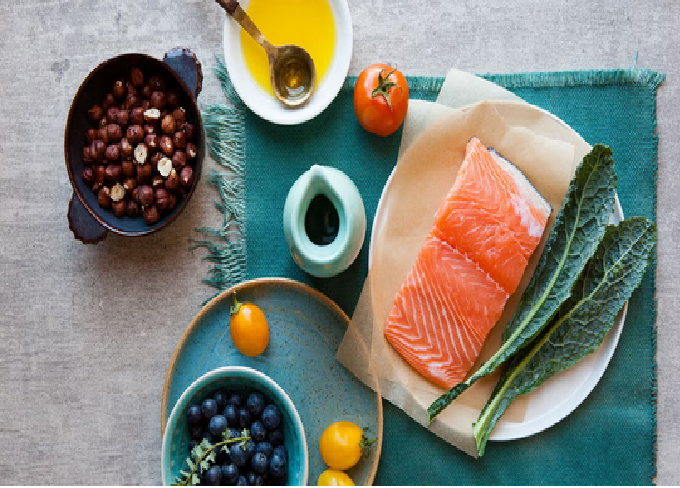
A balanced diet is the cornerstone of good health, vitality, and long-term well-being. It’s not just about eating fewer calories or avoiding certain foods—it’s about ensuring that your body receives the right amount of nutrients, vitamins, and minerals it needs to function at its best. A truly balanced diet provides carbohydrates for energy, proteins for muscle repair, healthy fats for brain function, and a variety of vitamins and minerals to support every organ in your body.
Eating a balanced diet daily helps maintain stable energy levels, promotes mental clarity, supports immune function, and reduces the risk of chronic diseases such as diabetes, heart disease, and obesity. In this ultimate guide, we’ll explore what makes a diet balanced, the key food groups to include, and provide practical, delicious, and easy recipes that you can enjoy every day.
The Core Principles of a Balanced Diet
Before diving into recipes, it’s essential to understand what a balanced diet actually consists of. Here are the main components you should include in every meal:
-
Carbohydrates (45–65% of total calories):
Choose complex carbohydrates like whole grains, brown rice, oats, and quinoa. They provide sustained energy and are rich in fiber. -
Proteins (10–35% of total calories):
Include lean proteins such as chicken, fish, lentils, beans, eggs, tofu, and low-fat dairy. Protein helps build and repair tissues and keeps you full for longer. -
Fats (20–35% of total calories):
Healthy fats from sources like olive oil, avocados, nuts, and seeds are essential for hormone balance and brain health. -
Vitamins and Minerals:
Eat plenty of fruits and vegetables to get the essential micronutrients your body needs daily. -
Hydration:
Water is often overlooked but is critical to digestion, nutrient transport, and detoxification.
By incorporating all these elements, you ensure that every meal supports your physical and mental well-being.
Tips for Maintaining a Balanced Diet Every Day
-
Plan your meals in advance to avoid last-minute unhealthy choices.
-
Use colorful vegetables to make your plate visually appealing and nutrient-rich.
-
Portion control is key—don’t overeat even healthy foods.
-
Choose whole foods over processed items whenever possible.
-
Include all food groups in moderation. Balance is more sustainable than restriction.
Breakfast Recipes: Start Your Day Right
Breakfast is the most important meal of the day because it jump-starts your metabolism and fuels your body for the morning. Here are some delicious and nutrient-packed breakfast recipes.
1. Oatmeal Bowl with Fruits and Nuts
Ingredients:
-
½ cup rolled oats
-
1 cup low-fat milk or almond milk
-
1 banana (sliced)
-
1 tablespoon honey
-
A handful of nuts (almonds, walnuts, or cashews)
-
A sprinkle of chia seeds
Instructions:
-
In a saucepan, cook oats in milk until soft and creamy.
-
Add honey and mix well.
-
Top with banana slices, nuts, and chia seeds.
Why It’s Healthy:
Oats are rich in fiber and help regulate blood sugar. Nuts add healthy fats and protein, while fruits provide natural sweetness and vitamins.
2. Veggie Omelette with Whole-Grain Toast
Ingredients:
-
2 eggs
-
1 small tomato (chopped)
-
½ onion (chopped)
-
½ bell pepper (chopped)
-
Salt and pepper to taste
-
1 teaspoon olive oil
Instructions:
-
Heat olive oil in a pan and sauté the vegetables for 2–3 minutes.
-
Whisk eggs with salt and pepper, pour over veggies, and cook until done.
-
Serve with a slice of whole-grain toast.
Why It’s Healthy:
This recipe provides high-quality protein from eggs and dietary fiber from vegetables and whole grains.
3. Greek Yogurt Parfait
Ingredients:
-
1 cup Greek yogurt
-
½ cup granola
-
½ cup mixed berries (blueberries, strawberries, raspberries)
-
1 tablespoon honey
Instructions:
-
Layer yogurt, granola, and berries in a glass.
-
Drizzle with honey and enjoy chilled.
Why It’s Healthy:
Packed with probiotics, antioxidants, and complex carbs, this parfait is perfect for digestion and sustained energy.
Lunch Recipes: Midday Meals to Keep You Energized
Lunch should be a balance of carbohydrates, protein, and fiber to keep you full and focused through the afternoon.
1. Grilled Chicken Salad with Olive Oil Dressing
Ingredients:
-
100g grilled chicken breast
-
1 cup lettuce leaves
-
½ cucumber (sliced)
-
½ tomato (chopped)
-
1 tablespoon olive oil
-
1 teaspoon lemon juice
-
Salt and pepper to taste
Instructions:
-
Combine all vegetables in a bowl.
-
Add grilled chicken strips on top.
-
Mix olive oil, lemon juice, salt, and pepper for dressing and drizzle over the salad.
Why It’s Healthy:
Low in calories but high in protein, this salad helps maintain muscle and supports fat loss.
2. Brown Rice with Stir-Fried Vegetables
Ingredients:
-
1 cup cooked brown rice
-
1 cup mixed vegetables (carrots, beans, broccoli, bell peppers)
-
1 teaspoon soy sauce (low sodium)
-
1 teaspoon olive oil
-
1 clove garlic (chopped)
Instructions:
-
Heat oil in a pan and sauté garlic.
-
Add vegetables and stir-fry for 5–6 minutes.
-
Mix in cooked brown rice and soy sauce.
Why It’s Healthy:
A fiber-rich meal with complex carbs and antioxidants from colorful vegetables.
3. Lentil Soup with Whole-Grain Bread
Ingredients:
-
½ cup lentils (red or yellow)
-
1 small onion (chopped)
-
1 tomato (chopped)
-
1 teaspoon cumin
-
Salt to taste
-
1 teaspoon olive oil
Instructions:
-
Boil lentils with water until soft.
-
In a pan, sauté onion and tomato, then mix with lentils.
-
Add cumin, salt, and simmer for 10 minutes.
Why It’s Healthy:
Lentils are rich in protein, iron, and fiber—great for heart and digestive health.
Dinner Recipes: Light and Nourishing Evening Meals
Dinner should be lighter than lunch but still nutritious enough to restore energy and prepare the body for rest.
1. Baked Salmon with Steamed Vegetables
Ingredients:
-
150g salmon fillet
-
1 teaspoon olive oil
-
Lemon juice, salt, and pepper
-
1 cup mixed steamed vegetables (broccoli, carrots, zucchini)
Instructions:
-
Marinate salmon with olive oil, lemon juice, salt, and pepper.
-
Bake for 15–20 minutes at 180°C.
-
Serve with steamed vegetables.
Why It’s Healthy:
Salmon provides omega-3 fatty acids essential for heart and brain health, while veggies add fiber and antioxidants.
2. Quinoa and Chickpea Bowl
Ingredients:
-
½ cup cooked quinoa
-
½ cup boiled chickpeas
-
½ cucumber (chopped)
-
½ tomato (chopped)
-
1 tablespoon olive oil
-
Lemon juice and herbs
Instructions:
-
Combine all ingredients in a bowl.
-
Toss with olive oil, lemon juice, and herbs.
Why It’s Healthy:
Quinoa and chickpeas create a complete protein combination with fiber and healthy fats.
3. Vegetable Stir-Fry with Tofu
Ingredients:
-
100g tofu (cubed)
-
1 cup mixed vegetables (bell peppers, carrots, snap peas)
-
1 teaspoon sesame oil
-
1 teaspoon soy sauce
-
1 clove garlic
Instructions:
-
Heat sesame oil and sauté garlic.
-
Add tofu cubes and fry until golden.
-
Toss in vegetables and soy sauce and cook for 5–7 minutes.
Why It’s Healthy:
A perfect plant-based protein dinner that’s light, low in calories, and full of essential nutrients.
Snacks and Smoothies for Balanced Nutrition
Healthy snacks and smoothies keep your metabolism active between meals and prevent overeating during lunch or dinner.
1. Hummus with Veggie Sticks
Ingredients:
-
½ cup boiled chickpeas
-
1 tablespoon olive oil
-
1 teaspoon lemon juice
-
1 clove garlic
-
Salt to taste
Instructions:
-
Blend all ingredients until smooth.
-
Serve with carrot, cucumber, and celery sticks.
Why It’s Healthy:
Hummus provides plant-based protein, while vegetables add fiber and crunch.
2. Green Energy Smoothie
Ingredients:
-
1 cup spinach leaves
-
1 banana
-
1 apple
-
½ cup Greek yogurt
-
½ cup water
Instructions:
-
Blend all ingredients until smooth.
-
Serve chilled.
Why It’s Healthy:
Rich in iron, potassium, and vitamins, this smoothie boosts energy and supports digestion.
3. Nut and Seed Mix
Ingredients:
-
¼ cup almonds
-
¼ cup cashews
-
2 tablespoons sunflower seeds
-
2 tablespoons pumpkin seeds
-
1 tablespoon raisins
Instructions:
Mix all ingredients and store in an airtight container for a quick, nutritious snack.
Why It’s Healthy:
Loaded with good fats, antioxidants, and protein—perfect for an energy boost.
Desserts That Fit in a Balanced Diet
You don’t need to give up desserts to stay healthy. The key is moderation and smart ingredient choices.
1. Chia Pudding with Almond Milk
Ingredients:
-
3 tablespoons chia seeds
-
1 cup almond milk
-
1 teaspoon honey
-
A few berries for topping
Instructions:
-
Mix chia seeds with almond milk and honey.
-
Let it sit overnight in the refrigerator.
-
Top with berries before serving.
Why It’s Healthy:
High in fiber, protein, and omega-3s—this dessert is both sweet and nourishing.
2. Baked Apples with Cinnamon
Ingredients:
-
2 apples (cored)
-
1 teaspoon cinnamon
-
1 teaspoon honey
Instructions:
-
Preheat oven to 180°C.
-
Drizzle honey and sprinkle cinnamon over apples.
-
Bake for 20 minutes.
Why It’s Healthy:
Apples provide fiber, while cinnamon stabilizes blood sugar levels naturally.
3. Dark Chocolate and Nut Bites
Ingredients:
-
100g dark chocolate (70% or higher)
-
½ cup mixed nuts
Instructions:
-
Melt dark chocolate and mix with nuts.
-
Pour into small molds and refrigerate until firm.
Why It’s Healthy:
Dark chocolate is full of antioxidants, and nuts add healthy fats—making it a guilt-free treat.
Sample 1-Day Balanced Meal Plan
Breakfast: Oatmeal bowl with fruits and nuts
Mid-Morning Snack: Green smoothie
Lunch: Brown rice with stir-fried vegetables
Evening Snack: Hummus with veggie sticks
Dinner: Grilled salmon with steamed vegetables
Dessert: Chia pudding with almond milk
This plan provides protein, fiber, healthy fats, and essential vitamins to keep you energized and satisfied throughout the day.
Conclusion: The Secret to Long-Term Health
Following a balanced diet is not about temporary restrictions—it’s about building a sustainable and enjoyable lifestyle. By choosing wholesome ingredients and preparing simple, delicious meals, you can maintain your energy, manage weight, and reduce the risk of disease. The recipes shared in this guide are easy to prepare, nutrient-dense, and perfect for daily use.