
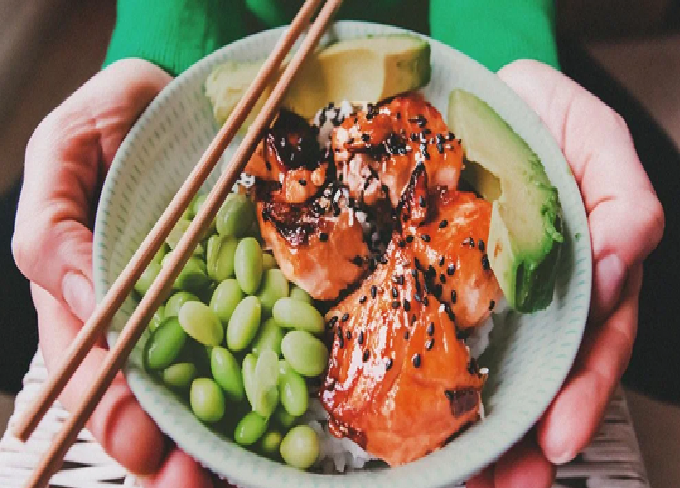
Protein is often called the “building block” of life—and for good reason. Every cell in your body contains protein, which plays a crucial role in repairing tissues, building muscle, and supporting essential bodily functions. Whether you’re an athlete aiming to gain lean muscle or someone simply looking to stay energized throughout the day, incorporating high-protein foods into your meals can help you achieve your goals.
High-protein diets are not just about eating meat or eggs; they include a wide range of foods that offer complete and incomplete proteins, ensuring your body gets all the essential amino acids it needs. The good news? You don’t have to spend hours in the kitchen. There are countless quick, easy, and delicious high-protein recipes you can prepare that taste amazing and fuel your body efficiently.
This article covers everything you need to know about high-protein diets, their benefits, and a variety of simple, tasty recipes to boost energy and build muscle effectively.
Why a High-Protein Diet Matters
A high-protein diet provides your body with the nutrients it needs to function optimally. Here are some of the key benefits:
-
Muscle Growth and Repair:
Protein is essential for repairing and rebuilding muscle tissue after workouts. Consuming adequate amounts ensures that your muscles recover faster and grow stronger. -
Increased Energy Levels:
Protein stabilizes blood sugar levels, preventing energy crashes and keeping you full of vitality throughout the day. -
Weight Management:
Protein helps you feel fuller for longer, reducing unnecessary snacking and overeating. It also boosts metabolism, allowing your body to burn calories more efficiently. -
Supports Immune Function:
Many enzymes and antibodies that keep your immune system strong are made from protein, making it a vital part of overall health. -
Better Skin, Hair, and Nails:
Protein-rich foods contribute to collagen production, which keeps your skin firm and your hair and nails healthy.
What to Eat on a High-Protein Diet
To get the best results, choose a mix of both animal and plant-based protein sources. Here are some excellent options:
-
Animal Sources: Eggs, chicken breast, turkey, beef, salmon, tuna, Greek yogurt, cottage cheese, and milk.
-
Plant Sources: Lentils, chickpeas, quinoa, tofu, tempeh, edamame, black beans, nuts, and seeds.
-
Protein Supplements: Whey, casein, soy, or pea protein powders are great for a quick boost.
Breakfast: High-Protein Recipes to Start Your Day Strong
Breakfast is the most important meal of the day, especially when it comes to fueling your body with the right nutrients. Here are some energizing high-protein breakfast ideas:
1. Greek Yogurt Parfait with Berries and Nuts
Ingredients:
-
1 cup Greek yogurt (plain, low-fat)
-
½ cup mixed berries (strawberries, blueberries, raspberries)
-
2 tablespoons chopped almonds or walnuts
-
1 teaspoon honey
Instructions:
Layer Greek yogurt with berries and nuts in a glass. Drizzle with honey for natural sweetness.
Benefits:
Greek yogurt provides around 15–20 grams of protein per serving, while nuts add healthy fats and extra energy.
2. Protein-Packed Omelette
Ingredients:
-
3 egg whites + 1 whole egg
-
½ cup diced vegetables (spinach, bell peppers, mushrooms)
-
2 tablespoons shredded cheese
-
Salt and pepper to taste
Instructions:
Whisk the eggs and cook them in a non-stick pan. Add veggies and cheese, fold, and cook until golden.
Benefits:
Eggs are a complete source of protein, and the veggies supply vitamins and fiber to keep you satisfied longer.
3. Peanut Butter Banana Protein Smoothie
Ingredients:
-
1 scoop whey or plant protein powder
-
1 banana
-
1 tablespoon peanut butter
-
1 cup milk or almond milk
-
Ice cubes
Instructions:
Blend all ingredients until smooth. Serve chilled.
Benefits:
This shake delivers protein, potassium, and healthy fats, making it a perfect pre- or post-workout drink.
Lunch: Filling and Muscle-Building Meals
Your midday meal should be balanced, nutrient-dense, and high in protein to sustain energy and prevent afternoon fatigue.
4. Grilled Chicken Salad
Ingredients:
-
1 grilled chicken breast (sliced)
-
2 cups mixed greens
-
½ avocado
-
Cherry tomatoes
-
Olive oil and lemon dressing
Instructions:
Combine all ingredients in a bowl, drizzle with dressing, and toss well.
Benefits:
High in protein and fiber, this salad supports muscle recovery while keeping calories in check.
5. Quinoa and Black Bean Bowl
Ingredients:
-
1 cup cooked quinoa
-
½ cup black beans
-
¼ cup corn
-
1 tablespoon olive oil
-
Spices: cumin, paprika, and salt
Instructions:
Mix all ingredients and season with spices. Heat for a few minutes and serve warm.
Benefits:
A perfect plant-based protein meal providing fiber, vitamins, and all essential amino acids.
6. Tuna and Egg Wrap
Ingredients:
-
1 can tuna (in water)
-
1 boiled egg (chopped)
-
1 whole-grain tortilla
-
Lettuce and cucumber slices
-
Low-fat yogurt dressing
Instructions:
Combine tuna and egg with dressing. Spread over tortilla, add vegetables, roll, and enjoy.
Benefits:
Rich in lean protein and omega-3 fats for improved energy and muscle recovery.
Dinner: Satisfying and Protein-Rich Dishes
Dinner should be nourishing yet light enough to digest easily. Try these tasty high-protein options:
7. Baked Salmon with Steamed Vegetables
Ingredients:
-
1 salmon fillet
-
1 teaspoon olive oil
-
Salt, pepper, and lemon juice
-
Mixed vegetables (broccoli, carrots, zucchini)
Instructions:
Bake salmon at 375°F (190°C) for 15–20 minutes. Steam vegetables and serve together.
Benefits:
Salmon is loaded with protein and omega-3 fatty acids, promoting heart health and muscle repair.
8. Lean Beef Stir-Fry
Ingredients:
-
150g lean beef strips
-
1 cup mixed vegetables (bell peppers, onions, broccoli)
-
2 tablespoons soy sauce
-
1 teaspoon olive oil
Instructions:
Cook beef in oil until browned, add vegetables and soy sauce, and stir-fry for 5–7 minutes.
Benefits:
A perfect blend of protein and vitamins that helps maintain muscle mass and keeps you full longer.
9. Lentil and Spinach Curry
Ingredients:
-
1 cup red lentils
-
2 cups spinach
-
1 onion, chopped
-
2 garlic cloves
-
1 teaspoon turmeric, cumin, and salt
-
1 tablespoon olive oil
Instructions:
Cook onions and garlic in oil, add spices and lentils with water, simmer until soft, then mix in spinach.
Benefits:
Plant-based protein that’s rich in iron and fiber—great for vegetarians and vegans.
Snacks: Quick Protein Boosts Between Meals
Healthy snacks can keep your energy levels stable and prevent overeating at mealtime.
10. Cottage Cheese with Fruit
Combine ½ cup cottage cheese with sliced pineapple or peaches for a refreshing snack.
Benefits:
Cottage cheese is high in casein protein, which digests slowly and supports muscle recovery overnight.
11. Roasted Chickpeas
Season chickpeas with olive oil, salt, and paprika, then roast until crunchy.
Benefits:
A crunchy, high-protein snack that satisfies cravings without unhealthy fats.
12. Protein Energy Balls
Ingredients:
-
1 cup oats
-
½ cup peanut butter
-
¼ cup honey
-
1 scoop protein powder
Instructions:
Mix all ingredients, roll into balls, and refrigerate.
Benefits:
A great pre-workout bite that fuels your body with protein and natural energy.
High-Protein Meal Plan Example
Here’s a sample one-day high-protein meal plan to guide you:
Breakfast: Greek yogurt parfait with berries and nuts
Snack: Roasted chickpeas
Lunch: Quinoa and black bean bowl
Snack: Protein smoothie
Dinner: Baked salmon with vegetables
This plan offers around 120–140 grams of protein—perfect for muscle growth and sustained energy.
Tips to Maximize Protein Intake
-
Distribute Protein Evenly Throughout the Day:
Instead of eating all your protein at dinner, spread it across meals to help your body absorb it efficiently. -
Include a Protein Source in Every Meal:
Whether it’s eggs for breakfast or beans for dinner, ensure protein is always part of your plate. -
Pair Protein with Complex Carbs:
This combination provides lasting energy and helps muscles recover faster. -
Stay Hydrated:
A high-protein diet increases your body’s need for water to process nitrogen from amino acids. -
Choose Lean Protein Options:
Select chicken breast, fish, and plant-based sources to avoid excess saturated fat.
High-Protein Diet for Vegetarians and Vegans
Even if you avoid animal products, meeting your protein needs is completely achievable.
-
Tofu and Tempeh: Excellent soy-based sources that can replace meat in most dishes.
-
Legumes: Lentils, chickpeas, and beans are rich in both protein and fiber.
-
Nuts and Seeds: Almonds, chia seeds, and hemp seeds offer healthy fats and protein.
-
Quinoa: A complete plant protein containing all nine essential amino acids.
-
Plant Protein Powders: Pea or soy protein powders can help bridge nutritional gaps.
Common Mistakes to Avoid on a High-Protein Diet
-
Skipping Vegetables:
Don’t focus solely on protein—fiber, vitamins, and minerals are just as important. -
Overeating Protein:
Excessive protein can strain your kidneys and lead to dehydration. Balance is key. -
Neglecting Carbs and Fats:
Healthy carbs and fats are essential for energy, hormone balance, and nutrient absorption. -
Ignoring Portion Control:
Even protein can lead to weight gain if consumed in large quantities without proper calorie management.
How Much Protein Do You Need?
Protein requirements vary depending on your lifestyle and goals:
-
Sedentary adults: About 0.8g of protein per kilogram of body weight.
-
Active individuals: 1.2–1.6g per kilogram.
-
Athletes or bodybuilders: 1.6–2.2g per kilogram.
For example, a 70 kg person who exercises regularly should aim for 84–112 grams of protein daily.
High-Protein Diet and Exercise: The Perfect Pair
To build lean muscle and boost strength, protein must go hand-in-hand with resistance training. After your workout, aim to consume a protein-rich meal or shake within 30–60 minutes to enhance recovery and muscle synthesis.
Activities like weight lifting, cycling, and swimming combined with high-protein meals help the body burn fat while preserving lean muscle.
Conclusion: Fuel Your Body the Right Way
A high-protein diet is one of the most effective ways to build muscle, boost energy, and maintain a healthy body composition. It keeps you fuller longer, improves metabolism, and enhances recovery after workouts.
Whether you prefer animal-based proteins or plant-based sources, the key is consistency and balance. By incorporating the delicious recipes above—ranging from smoothies and omelets to salads and curries—you’ll not only meet your protein goals but also enjoy flavorful, satisfying meals every day.
Fuel your body wisely, and you’ll notice the difference: more strength, better focus, and lasting energy. With the right approach, your journey toward a healthier, more powerful version of yourself starts today.