
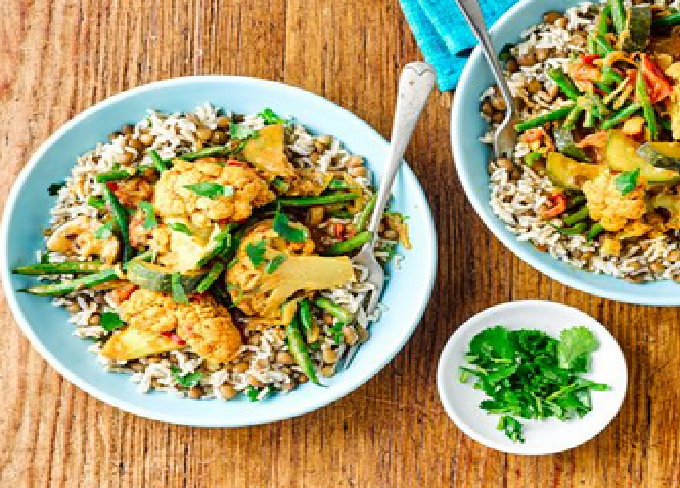
Over the past few decades, vegetarian and vegan diets have gained immense popularity across the globe. More people are choosing plant-based lifestyles not just for ethical reasons but also for their health, the environment, and overall well-being. Studies have shown that plant-based diets can reduce the risk of chronic diseases such as heart disease, diabetes, and certain cancers. They also contribute to maintaining a healthy weight, glowing skin, and better digestion.
This article explores the essence of vegetarian and vegan diets, the benefits they bring, and a collection of delicious, easy-to-make recipes that can help you maintain a healthier lifestyle.
Understanding Vegetarian and Vegan Diets
Before diving into recipes, it’s essential to understand the key differences between vegetarian and vegan diets.
-
Vegetarian Diet: This diet excludes meat, poultry, and fish but includes dairy products, eggs, and other animal by-products. There are several types of vegetarian diets such as lacto-vegetarian (includes dairy but no eggs), ovo-vegetarian (includes eggs but no dairy), and lacto-ovo vegetarian (includes both dairy and eggs).
-
Vegan Diet: A stricter form of vegetarianism that excludes all animal-derived products including meat, fish, dairy, eggs, honey, and even gelatin. Vegans rely entirely on plant-based foods like fruits, vegetables, grains, legumes, nuts, and seeds for nutrition.
Both diets focus on whole, minimally processed foods and emphasize the health benefits of plants.
Health Benefits of a Vegetarian or Vegan Lifestyle
-
Improved Heart Health:
Plant-based diets are rich in fiber, antioxidants, and healthy fats that can help lower bad cholesterol and maintain healthy blood pressure levels. -
Better Weight Management:
Vegetarians and vegans often have lower body mass indexes (BMIs) compared to those who consume animal-based products. The fiber in plant foods helps you feel fuller longer, reducing overeating. -
Reduced Risk of Chronic Diseases:
A diet centered around plants can lower the risk of diabetes, hypertension, and certain cancers due to its high nutrient density and lower saturated fat content. -
Enhanced Digestion:
Plant foods are naturally high in fiber, promoting good gut health and preventing constipation. -
Eco-Friendly Choice:
Choosing plant-based meals reduces your environmental footprint by conserving water, reducing greenhouse gas emissions, and lowering the demand for animal agriculture.
Essential Nutrients in Plant-Based Diets
While plant-based diets are healthy, it’s important to ensure balanced nutrition. Here are key nutrients to focus on:
-
Protein: Found in lentils, chickpeas, tofu, tempeh, beans, quinoa, and nuts.
-
Iron: Obtainable from spinach, lentils, chickpeas, pumpkin seeds, and fortified cereals.
-
Calcium: Present in tofu, fortified plant milks, almonds, and leafy greens.
-
Vitamin B12: Found only in animal products, so vegans should use fortified foods or supplements.
-
Omega-3 Fatty Acids: Available in chia seeds, flaxseeds, walnuts, and hemp seeds.
-
Vitamin D: Can be gained through sunlight exposure or fortified plant-based milk.
Breakfast Recipes for a Fresh Start
1. Vegan Smoothie Bowl
Ingredients:
-
1 banana
-
½ cup frozen berries
-
½ cup plant-based milk (almond or soy)
-
1 tablespoon chia seeds
-
Toppings: sliced fruits, granola, coconut flakes
Directions:
-
Blend banana, berries, milk, and chia seeds until smooth.
-
Pour into a bowl and top with your favorite fruits and granola.
-
Enjoy a refreshing, nutrient-packed breakfast that fuels your morning.
2. Vegetarian Spinach and Cheese Omelet
Ingredients:
-
2 eggs
-
½ cup spinach, chopped
-
¼ cup cheese (any preferred type)
-
Salt and pepper to taste
Directions:
-
Beat the eggs in a bowl and add salt, pepper, and spinach.
-
Pour into a non-stick pan and cook on low heat.
-
Sprinkle cheese on one half and fold over. Serve warm with whole-grain toast.
3. Vegan Overnight Oats
Ingredients:
-
½ cup rolled oats
-
1 cup almond milk
-
1 tablespoon chia seeds
-
1 teaspoon maple syrup
-
Fruits or nuts for topping
Directions:
-
Mix oats, chia seeds, almond milk, and maple syrup in a jar.
-
Refrigerate overnight.
-
Add toppings like berries, banana slices, or almonds in the morning.
Healthy Vegetarian and Vegan Lunch Ideas
1. Vegan Chickpea Salad Wrap
Ingredients:
-
1 can chickpeas, mashed
-
2 tablespoons vegan mayo or hummus
-
1 tablespoon lemon juice
-
¼ cup chopped celery
-
¼ cup diced onions
-
Whole-grain tortilla
Directions:
-
Mix chickpeas, vegan mayo, lemon juice, celery, and onions in a bowl.
-
Spread mixture on a tortilla, roll it up, and slice in half.
-
A quick, protein-rich lunch perfect for work or on-the-go meals.
2. Vegetarian Quinoa Bowl
Ingredients:
-
1 cup cooked quinoa
-
½ cup roasted vegetables (zucchini, bell peppers, carrots)
-
½ avocado, sliced
-
1 tablespoon olive oil
-
Salt and pepper to taste
Directions:
-
Combine quinoa and roasted vegetables in a bowl.
-
Drizzle with olive oil and season with salt and pepper.
-
Add avocado slices on top for creaminess.
3. Vegan Lentil Soup
Ingredients:
-
1 cup red lentils
-
1 chopped onion
-
2 carrots, diced
-
2 garlic cloves, minced
-
4 cups vegetable broth
-
1 teaspoon cumin
Directions:
-
Sauté onion, garlic, and carrots in a pot.
-
Add lentils, broth, and cumin. Simmer for 25–30 minutes.
-
Serve warm with a side of whole-grain bread.
Dinner Recipes for a Nourishing End to the Day
1. Vegetarian Stuffed Bell Peppers
Ingredients:
-
3 bell peppers, halved and deseeded
-
1 cup cooked rice
-
½ cup black beans
-
¼ cup corn
-
1 teaspoon chili powder
-
½ cup cheese (optional for vegetarians)
Directions:
-
Mix rice, beans, corn, and spices in a bowl.
-
Fill bell pepper halves with the mixture.
-
Top with cheese (if desired) and bake at 180°C for 20 minutes.
2. Vegan Stir-Fried Tofu with Vegetables
Ingredients:
-
1 cup cubed tofu
-
1 cup mixed vegetables (broccoli, carrots, bell peppers)
-
2 tablespoons soy sauce
-
1 tablespoon sesame oil
-
1 teaspoon ginger, grated
Directions:
-
Sauté tofu until golden brown and set aside.
-
Stir-fry vegetables with soy sauce and sesame oil.
-
Combine with tofu and serve over steamed rice.
3. Vegan Spaghetti with Tomato-Basil Sauce
Ingredients:
-
1 pack whole-wheat spaghetti
-
2 cups diced tomatoes
-
2 garlic cloves, minced
-
1 tablespoon olive oil
-
Fresh basil leaves
Directions:
-
Cook spaghetti as per package instructions.
-
In a pan, sauté garlic in olive oil, add tomatoes, and simmer.
-
Toss spaghetti with sauce and garnish with basil leaves.
Healthy Snacks and Smoothies
1. Vegan Hummus with Veggie Sticks
Ingredients:
-
1 can chickpeas
-
2 tablespoons tahini
-
1 garlic clove
-
2 tablespoons lemon juice
-
Olive oil, salt to taste
Directions:
-
Blend all ingredients into a smooth paste.
-
Serve with cucumber, carrot, and celery sticks.
2. Vegetarian Greek Yogurt Parfait
Ingredients:
-
1 cup Greek yogurt
-
½ cup granola
-
Fresh berries
Directions:
-
Layer yogurt, granola, and berries in a glass.
-
Repeat the layers and enjoy a quick, protein-rich snack.
3. Vegan Green Smoothie
Ingredients:
-
1 banana
-
1 handful spinach
-
1 cup coconut water
-
1 tablespoon chia seeds
Directions:
-
Blend all ingredients until smooth.
-
A refreshing drink packed with vitamins and minerals.
Dessert Options for Sweet Tooths
1. Vegan Chocolate Avocado Mousse
Ingredients:
-
1 ripe avocado
-
2 tablespoons cocoa powder
-
2 tablespoons maple syrup
-
½ cup almond milk
Directions:
-
Blend all ingredients until creamy.
-
Chill and serve with crushed nuts or berries.
2. Vegetarian Banana Pancakes
Ingredients:
-
2 bananas
-
2 eggs
-
½ teaspoon cinnamon
Directions:
-
Mash bananas and mix with eggs and cinnamon.
-
Cook small pancakes on a non-stick skillet until golden brown.
3. Vegan Coconut Rice Pudding
Ingredients:
-
½ cup rice
-
2 cups coconut milk
-
2 tablespoons maple syrup
-
1 teaspoon vanilla extract
Directions:
-
Cook rice in coconut milk on low heat until creamy.
-
Add syrup and vanilla extract. Serve warm or chilled.
Tips for a Successful Plant-Based Lifestyle
-
Start Gradually:
Transitioning to a vegetarian or vegan diet doesn’t have to be overnight. Begin with “Meatless Mondays” and gradually increase your plant-based meals. -
Plan Balanced Meals:
Make sure your meals include protein, complex carbs, healthy fats, and plenty of vegetables. -
Experiment with Spices:
Herbs and spices can elevate the flavor of plant-based dishes without adding calories or sodium. -
Stay Hydrated:
Drinking enough water supports digestion and nutrient absorption, especially with a high-fiber diet. -
Try New Ingredients:
Include tofu, tempeh, quinoa, nutritional yeast, and plant-based milks in your pantry. -
Meal Prep Ahead:
Prepare grains, legumes, and sauces in advance to save time during the week.
Common Challenges and How to Overcome Them
-
Craving Animal Products:
Replace meat with protein-rich substitutes like lentils, beans, or textured vegetable protein (TVP). -
Nutrient Deficiency:
Take B12 supplements and ensure variety in your meals. -
Limited Dining Options:
Choose restaurants that offer vegetarian or vegan menus or customize your orders.
Conclusion: Embrace a Healthier, Greener You
Switching to a vegetarian or vegan diet is more than just a dietary choice — it’s a lifestyle shift towards health, sustainability, and compassion. By incorporating colorful vegetables, fruits, whole grains, and plant-based proteins into your daily meals, you nourish your body and contribute to a healthier planet.
The key to success lies in balance, creativity, and consistency. With the right recipes and a bit of preparation, you can enjoy flavorful, nutrient-dense dishes every day while feeling your best inside and out.