
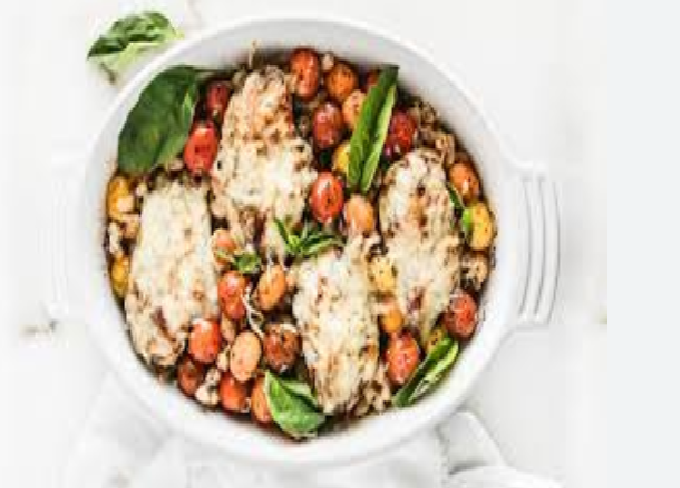
The Mediterranean diet is celebrated worldwide for its association with longevity, heart health, and overall wellbeing. Rooted in the traditional eating patterns of countries surrounding the Mediterranean Sea, it emphasizes whole, minimally processed foods: vegetables, fruits, whole grains, legumes, nuts, olive oil, fish, moderate dairy, and limited red meat and sweets. This article covers the science-backed principles, practical pantry staples, and a collection of flavorful, easy-to-follow Mediterranean recipes you can use every day to build a life-long healthy habit.
Why the Mediterranean diet supports a long and healthy life
Multiple long-term studies have linked Mediterranean-style eating with lower rates of heart disease, stroke, cognitive decline, type 2 diabetes, and some cancers. The reasons are clear:
-
Healthy fats: Olive oil and oily fish provide monounsaturated and omega-3 fats that reduce inflammation and improve blood lipids.
-
Plant-forward fiber: Vegetables, fruits, legumes, and whole grains feed the gut microbiome, lower cholesterol, and stabilize blood sugar.
-
Antioxidant and polyphenols: Fresh produce, herbs, olives, and tea are rich in compounds that protect cells from oxidative damage.
-
Moderation and variety: The pattern focuses on balance — small amounts of red meat, moderate wine in some cultures, and frequent social meals — which supports sustainable eating and mental wellbeing.
Core principles to follow (simple rules)
-
Base most meals on vegetables, legumes, whole grains, and fruits.
-
Use extra-virgin olive oil as the main added fat.
-
Eat fish and seafood at least twice a week (sardines, salmon, mackerel, trout).
-
Include nuts and seeds frequently (handful a day).
-
Choose lean poultry and dairy in moderation; minimize processed meats and sweets.
-
Flavor with herbs, garlic, citrus, and vinegars, not heavy sauces.
-
Eat seasonally and locally when possible and enjoy meals socially.
Pantry checklist (what to keep on hand)
-
Extra-virgin olive oil (good quality)
-
Canned tomatoes, passata
-
Cans of chickpeas, cannellini beans, lentils
-
Whole-grain pasta, bulgur, farro, brown rice, or quinoa
-
Anchovies, sardines (canned in olive oil)
-
Nuts (almonds, walnuts, pistachios)
-
Seeds (chia, flax, sesame)
-
Olives and capers
-
Garlic, onions, dried oregano, thyme, smoked paprika, cumin
-
Lemon and balsamic vinegar
-
Greek yoghurt and feta cheese (small amounts)
-
Fresh vegetables: tomatoes, cucumbers, bell peppers, leafy greens
-
Fruits: citrus, apples, berries, grapes (seasonal)
Recipe 1 — Greek Chickpea & Tomato Stew (serves 4)
A protein-rich, warming stew — great with whole-grain bread or over bulgur.
Ingredients:
-
2 tbsp extra-virgin olive oil
-
1 onion, finely chopped
-
3 cloves garlic, minced
-
1 red bell pepper, diced
-
1 tsp dried oregano
-
1 tsp smoked paprika
-
1 can (400 g) chopped tomatoes
-
2 cans (400 g each) chickpeas, drained and rinsed
-
1 cup vegetable or chicken stock
-
1 tbsp red wine vinegar or lemon juice
-
Salt and pepper to taste
-
Handful chopped parsley or basil
-
Optional: crumbled feta to serve
Method:
-
Heat oil in a large pan; sauté onion until soft (5–7 minutes). Add garlic and bell pepper; cook 3 minutes.
-
Stir in oregano and paprika, then add tomatoes and stock. Simmer 8 minutes.
-
Add chickpeas, simmer 10–12 minutes until flavours combine and sauce thickens.
-
Stir in vinegar, season to taste, and finish with herbs. Serve warm, with whole-grain bread or over bulgur. Top with a little feta if desired.
Health note: Chickpeas provide soluble fiber which helps lower cholesterol and stabilize blood glucose.
Recipe 2 — Grilled Lemon-Herb Mackerel with Tomato-Cucumber Salad (serves 2)
Quick, omega-3-rich fish served with a crisp salad.
Ingredients:
-
2 whole mackerel (or 2 fillets), cleaned
-
2 tbsp olive oil
-
Juice of 1 lemon + lemon slices for grilling
-
2 cloves garlic, minced
-
1 tsp dried oregano
-
Salt and pepper
Salad:
-
2 ripe tomatoes, chopped
-
1 cucumber, sliced or diced
-
1 small red onion, thinly sliced
-
1 tbsp chopped parsley
-
1 tbsp olive oil, 1 tbsp lemon juice, salt to taste
Method:
-
Mix oil, lemon juice, garlic and oregano; brush over fish and season.
-
Grill fish 4–5 minutes per side (depending on thickness) with lemon slices until cooked through.
-
Toss salad ingredients with olive oil and lemon juice. Serve fish hot with the salad.
Health note: Fatty fish like mackerel are a primary source of EPA and DHA, beneficial for heart and brain health.
Recipe 3 — Mediterranean Lentil Salad (serves 4, great for meal prep)
A filling vegetarian dish perfect as a main or side.
Ingredients:
-
1 cup dried green or brown lentils, rinsed
-
3 cups water or stock
-
1 small red onion, diced
-
1 red bell pepper, diced
-
10–12 cherry tomatoes, halved
-
1/2 cup chopped parsley and mint (mix)
-
1/3 cup olives, pitted and sliced
-
2 tbsp capers (optional)
-
Dressing: 3 tbsp olive oil, juice of 1 lemon, 1 tsp Dijon mustard, salt and pepper
Method:
-
Cook lentils in water or stock until tender but not mushy (about 20–25 minutes). Drain and cool slightly.
-
Mix vegetables and herbs; add lentils. Toss with dressing. Chill or serve at room temperature.
Health note: Lentils are rich in protein, fiber, and minerals — an excellent plant-based staple.
Recipe 4 — Whole-Wheat Pasta with Sardines, Lemon & Breadcrumbs (serves 2–3)
Rustic, fast, and flavorful; sardines give a punch of nutrients.
Ingredients:
-
250 g whole-wheat spaghetti or linguine
-
1 can sardines in olive oil, roughly flaked (oil reserved)
-
2 cloves garlic, sliced
-
Zest and juice of 1 lemon
-
1/3 cup stale breadcrumbs or panko
-
2 tbsp chopped parsley
-
Red pepper flakes (optional)
-
Salt and pepper
Method:
-
Cook pasta until al dente, reserve 1 cup pasta water.
-
In a skillet, warm a splash of reserved sardine oil; cook garlic until fragrant; add sardines and break up.
-
Add lemon zest and juice, then toss in pasta with reserved water to create a light sauce.
-
Toast breadcrumbs in a small pan with a drizzle of olive oil until golden; sprinkle over pasta with parsley and chili if using.
Health note: Small oily fish are low in contaminants and high in omega-3s and vitamin D.
Recipe 5 — Roasted Vegetable & Halloumi Traybake (serves 4)
Easy one-pan feast — seasonal vegetables roasted with halloumi or feta.
Ingredients:
-
2 courgettes (zucchini), sliced
-
1 red onion, cut into wedges
-
1 aubergine (eggplant), cubed
-
1 red bell pepper, sliced
-
3 tbsp olive oil
-
1 tsp dried thyme or oregano
-
Salt & pepper
-
200 g halloumi, sliced (or cubes of firm feta)
-
Drizzle of balsamic glaze (optional)
-
Fresh basil to finish
Method:
-
Preheat oven to 200°C (400°F). Toss vegetables with olive oil, herbs, salt and pepper. Spread on a baking tray.
-
Roast for 25–30 minutes until tender and caramelised. Add halloumi for the last 10 minutes to brown.
-
Serve warm with basil and a light drizzle of balsamic if you like.
Health note: Roasting brings out vegetable sugars and keeps the dish nutrient-dense without heavy sauces.
Recipe 6 — Breakfast: Greek Yoghurt with Honey, Nuts & Fresh Fruit (serves 1)
Simple, protein-rich breakfast with probiotic benefits.
Ingredients:
-
200 g Greek yoghurt (plain, full-fat or low-fat)
-
1 small handful walnuts or almonds, roughly chopped
-
1 tsp honey or more to taste
-
Seasonal fruit (berries, figs, or sliced apple)
-
Sprinkle of cinnamon (optional)
Method:
-
Spoon yoghurt into a bowl, top with fruit and nuts, drizzle honey and sprinkle cinnamon.
Health note: Combining protein and healthy fats with fruit gives lasting energy and supports satiety.
Weekly sample meal plan (simple, balanced)
-
Monday: Breakfast — Greek yoghurt, Snack — apple + almonds, Lunch — Lentil salad, Dinner — Grilled mackerel + tomato-cucumber salad.
-
Tuesday: Breakfast — Whole-grain toast with mashed avocado and tomato, Lunch — Chickpea & tomato stew, Dinner — Roasted veg & halloumi with farro.
-
Wednesday: Breakfast — Oat porridge with raisins & walnuts, Lunch — Leftover lentil salad, Dinner — Whole-wheat pasta with sardines.
-
Thursday: Breakfast — Yoghurt with honey and fruit, Lunch — Tuna (or chickpea) salad, Dinner — Vegetable and bean soup with whole-grain bread.
-
Friday: Breakfast — Smoothie (spinach, banana, yoghurt, flaxseed), Lunch — Mediterranean grain bowl, Dinner — Baked fish with lemon and steamed greens.
-
Weekend: Enjoy social meals, grilled seafood, seasonal salads, and a small portion of red wine if you drink alcohol.
Practical tips to make Mediterranean eating sustainable
-
Batch cook legumes and grains (lentils, chickpeas, brown rice) — they save enormous time.
-
Use herbs and spices liberally — they add flavour without salt or extra calories.
-
Snack smart: olives, a small handful of nuts, plain yoghurt with fruit.
-
Swap mindfully: replace butter with olive oil, white rice with bulgur or quinoa, red meat nights with fish or legume dishes.
-
Eat seasonally: fruits and vegetables taste better and are usually cheaper when in season.
-
Mind portions of cheese and wine: both can be part of the pattern in moderation, not daily excess.
-
Social eating matters: share meals with family and friends — an important but often overlooked aspect of Mediterranean cultures that supports mental wellbeing.
How to adapt recipes for special needs
-
Vegetarian: replace fish with extra beans, lentils, or tofu and use more nuts and seeds for healthy fats.
-
Vegan: use plant-based yoghurt, omit cheese, ensure sufficient plant-protein variety (legumes + grains + nuts).
-
Gluten-free: choose rice, quinoa, or gluten-free pasta; bulgur and farro should be avoided.
-
Lower sodium: skip canned goods with added salt or rinse them well; use lemon, garlic and herbs for flavour.
Common mistakes — and how to avoid them
-
Thinking “Mediterranean” equals “low-calorie” — nuts, olive oil, cheese, and olives are healthy but energy-dense; watch portions.
-
Relying on pasta and bread only — keep vegetables and legumes as the plate base for more nutrients and fiber.
-
Skipping physical activity and social factors — diet is one part of the Mediterranean lifestyle; movement and social meals matter too.
Conclusion — flavor, health, and longevity on a plate
The Mediterranean diet is less a strict regimen and more a flexible, pleasurable way of eating that combines nutrient-rich foods with convivial dining. The recipes above are deliberately simple, using accessible ingredients and straightforward techniques so you can easily integrate them into your weekly routine. By centering plants, healthy fats, and fish — and enjoying food with others — you’re not only building a healthier body but also a lifestyle that supports longevity and joy. Start with one recipe this week, stock a few pantry staples, and let the flavors of the Mediterranean guide you toward a longer, healthier life.