
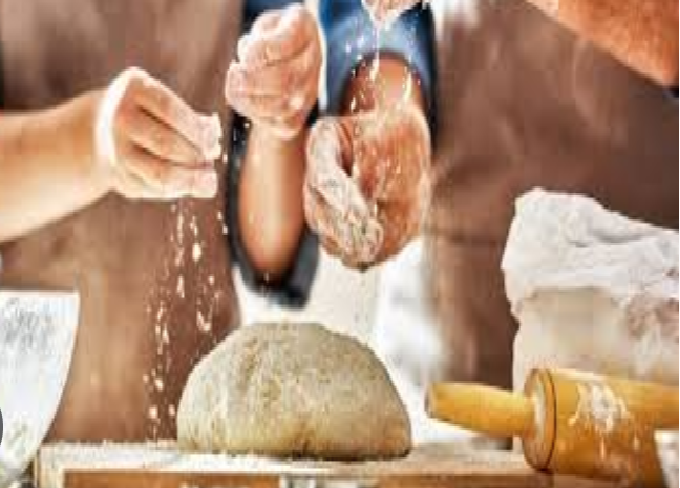
Baking is often described as both an art and a science. While creativity and passion bring life to a baker’s creations, the science behind the ingredients and their reactions ensures perfect texture, flavor, and appearance. Understanding how ingredients work together can transform your baking from guesswork to mastery. This detailed guide explores the fascinating chemistry of baking—how ingredients interact, the purpose they serve, and how small adjustments can make all the difference between a dry muffin and a fluffy one, or a dense cake and a light sponge.
1. The Foundation of Baking: Why Science Matters
Baking isn’t just about mixing flour, sugar, and eggs—it’s a series of chemical reactions. Every ingredient has a purpose and performs specific roles that affect structure, flavor, moisture, and color. When ingredients are mixed, heated, and cooled, molecular changes occur that determine the final outcome.
Understanding this science allows bakers to troubleshoot problems, substitute ingredients wisely, and create new recipes with confidence. It’s the reason professional bakers can predict how an extra tablespoon of flour or a reduction in fat will affect the end product.
2. Flour: The Structural Backbone of Baking
Flour is the heart of most baked goods. It provides structure and strength, forming the framework that supports other ingredients.
a. What Is in Flour?
Flour is primarily made up of starch and protein. The key proteins—glutenin and gliadin—combine with water to form gluten, the elastic network responsible for the texture of doughs and batters.
-
High-protein flours (like bread flour) form more gluten, resulting in chewy, firm textures—ideal for bread and pizza dough.
-
Low-protein flours (like cake or pastry flour) form less gluten, giving lighter, more tender textures for cakes and pastries.
b. How Gluten Works
When flour is mixed with water, kneading or stirring develops gluten. This network traps gas bubbles from leavening agents (like yeast or baking powder), allowing the baked good to rise and maintain shape. Too much mixing, however, can create tough or rubbery textures, especially in cakes and muffins.
c. Starch’s Role
Besides gluten, starch in flour absorbs moisture and gelatinizes during baking, contributing to firmness and structure once the product cools. It helps thicken batters and stabilize the crumb.
3. Sugar: The Sweet Science
Sugar is more than just a sweetener—it’s a multifunctional ingredient that impacts moisture, color, texture, and even preservation.
a. Tenderizer and Moisture Retainer
Sugar competes with flour for water in a recipe, slowing down gluten development and creating a more tender crumb. It also attracts moisture from the environment, keeping baked goods soft and preventing them from drying out quickly.
b. Browning and Flavor
When heated, sugar caramelizes, producing rich brown color and deep, complex flavors. It also reacts with proteins in a process called the Maillard reaction, which enhances the aroma and appearance of baked goods like cookies and crusty breads.
c. Stabilizing and Aeration
In recipes where air is beaten into butter or eggs (such as cakes or meringues), sugar helps stabilize the air bubbles, leading to a lighter and fluffier texture.
4. Fats: The Texture Enhancers
Fats such as butter, oil, margarine, and shortening play essential roles in creating tenderness, flavor, and richness.
a. Tenderizing Effect
Fat coats flour particles, preventing excessive gluten formation. This creates soft, crumbly textures in pastries and cookies. Without enough fat, baked goods can become dry or tough.
b. Leavening and Volume
In creamed mixtures, fat traps air when beaten with sugar, forming tiny bubbles that expand during baking. This process contributes to the rise and lightness of cakes.
c. Flavor and Moisture
Butter, in particular, imparts a rich flavor and contributes to mouthfeel. Oils keep products moist longer, especially in muffins and quick breads.
d. Types of Fat and Their Functions
-
Butter: Adds flavor and flakiness; solidifies when cooled, giving structure.
-
Oil: Produces moist, tender results but less flavor.
-
Shortening: Creates flaky layers in pastries due to its high melting point.
5. Eggs: The Multi-Tasking Ingredient
Eggs are true powerhouses in baking, performing numerous functions such as binding, leavening, emulsifying, and enriching.
a. Structure and Stability
Egg proteins coagulate when heated, giving structure to cakes, custards, and breads. They help hold ingredients together and add strength to batters.
b. Leavening Power
When beaten, eggs incorporate air, which expands during baking and helps the product rise. This is especially important in sponge cakes and soufflés.
c. Emulsification
Egg yolks contain lecithin, a natural emulsifier that binds fat and water, creating smooth, uniform batters and creamy textures.
d. Color and Flavor
Egg yolks add a golden hue and a rich flavor, while the whites help create a glossy finish on baked goods like meringues or pastries.
6. Leavening Agents: The Science of Rise
Leavening agents are responsible for the rise and lightness in baked goods. They introduce gases—primarily carbon dioxide—that expand during baking, creating airy textures.
a. Baking Soda (Sodium Bicarbonate)
Baking soda is a base that reacts with acids (like buttermilk, lemon juice, or yogurt) to produce carbon dioxide gas. The reaction starts immediately upon mixing, so recipes using baking soda should be baked right away.
b. Baking Powder
Baking powder contains both an acid and a base, so it can produce gas without additional acidic ingredients. Double-acting baking powder releases gas twice—once when mixed and again when heated—giving consistent lift.
c. Yeast
Yeast is a living organism that feeds on sugars, producing carbon dioxide and alcohol through fermentation. This slow process gives bread its rise and complex flavor.
d. Steam
Steam can act as a natural leavening agent in items like puff pastry and choux pastry, where moisture in the dough evaporates rapidly in the oven, causing the pastry to puff up.
7. Liquids: The Essential Activators
Liquids like water, milk, buttermilk, or juice activate gluten formation, dissolve sugars and salts, and help distribute ingredients evenly.
a. Hydration and Texture
The amount of liquid affects the texture:
-
Too little makes the dough dry and dense.
-
Too much results in sticky batters that spread too much during baking.
b. Flavor and Nutrients
Milk adds richness, improves browning, and contributes to a tender crumb due to its fats and proteins. Water, while neutral, activates gluten and dissolves other components effectively.
8. Salt: The Unsung Hero
Salt may seem like a minor ingredient, but its role in baking is significant.
a. Flavor Enhancer
Salt intensifies flavor by balancing sweetness and reducing bitterness. Even in desserts, a pinch of salt brings depth and complexity.
b. Strength and Control
In bread baking, salt strengthens gluten, improving texture and controlling yeast activity to prevent over-fermentation.
9. The Magic of Temperature and Timing
Baking is as much about timing and temperature as it is about ingredients. The right heat ensures that chemical reactions occur in harmony.
a. Oven Temperature
-
Too Hot: Causes rapid rise followed by collapse, leaving dense centers.
-
Too Cool: Results in undercooked, pale, or dense baked goods.
b. Ingredient Temperature
Butter should often be softened (not melted) for creaming, while eggs and milk should be at room temperature to blend smoothly into batters. Cold ingredients can cause curdling or uneven mixing.
c. Baking Time
Proper baking time ensures moisture retention while achieving the desired color and texture. Overbaking leads to dryness; underbaking leaves raw centers.
10. Mixing Methods and Their Scientific Effects
How ingredients are combined affects the final outcome just as much as what goes into them.
a. The Creaming Method
Butter and sugar are beaten to trap air, giving structure and volume to cakes. The air expands during baking, resulting in light, fluffy textures.
b. The Muffin Method
Wet and dry ingredients are mixed separately, then quickly combined. Overmixing can lead to tough muffins due to excess gluten formation.
c. The Whisking Method
Eggs are beaten to incorporate air, used in sponge cakes and meringues. The delicate foam created by this process determines the cake’s height and softness.
d. The Folding Technique
This gentle method incorporates airy ingredients (like whipped egg whites) into batters without deflating them, crucial for soufflés and chiffon cakes.
11. The Chemistry of Baking Reactions
During baking, heat triggers several important reactions that define the flavor, color, and texture of your final product.
a. Maillard Reaction
This reaction occurs between amino acids (from proteins) and reducing sugars, leading to browning and the development of complex flavors and aromas in crusts and cookies.
b. Caramelization
Sugar molecules break down and brown under heat, adding sweetness and nutty flavor notes to baked goods.
c. Gelatinization and Coagulation
As heat increases, starches absorb liquid and swell (gelatinization), while proteins solidify (coagulation). These reactions lock the structure in place.
12. Common Baking Problems and Their Scientific Causes
Even small deviations in measurements, temperature, or mixing can lead to baking issues. Understanding the science helps prevent and fix them.
| Problem | Scientific Cause | Solution |
|---|---|---|
| Cake doesn’t rise | Not enough leavening or overmixed batter | Measure leavening carefully and avoid overmixing |
| Dry texture | Too much flour or overbaking | Measure flour properly; reduce baking time |
| Dense bread | Weak gluten or inactive yeast | Knead properly and ensure yeast is fresh |
| Soggy crust | Steam trapped under surface | Bake longer or at higher temperature briefly |
| Cracked tops | Oven too hot or batter too thick | Lower temperature slightly or adjust liquid ratio |
13. Precision: The Secret Ingredient
Unlike cooking, baking doesn’t forgive improvisation easily. Ingredient ratios, measuring techniques, and environmental factors like humidity all influence outcomes.
a. Measure by Weight
Using a kitchen scale ensures consistency. A cup of flour, for example, can vary by 20–30 grams depending on how it’s scooped.
b. Follow Order
Adding ingredients in the correct sequence allows chemical reactions to occur as intended. Mixing out of order can disrupt texture or rise.
c. Test and Adjust
Science thrives on experimentation. Note down variations and results to refine your process over time.
14. The Role of Cooling and Storage
After baking, the process doesn’t end—cooling and storage also depend on science.
a. Cooling
As baked goods cool, residual heat continues to cook them slightly. Starches set and moisture redistributes, affecting texture. Cooling on a rack allows air circulation and prevents sogginess.
b. Storage
Sugar and fat help retain moisture, but exposure to air causes staling. Wrapping and refrigerating or freezing can slow down moisture loss and oxidation.
15. The Art Meets Science of Baking
While science ensures consistency and precision, creativity gives baking its magic. Once you understand how ingredients function, you can modify recipes confidently—experimenting with gluten-free flours, sugar substitutes, or alternative fats without ruining texture or flavor.
The balance between structure, moisture, sweetness, and rise is what transforms simple ingredients into comforting, delicious works of art. Baking science is not about restriction—it’s the foundation for innovation.
Conclusion
Baking is a beautiful blend of chemistry, physics, and creativity. Every successful cake, cookie, or loaf of bread is a result of precise interactions between flour, sugar, fat, eggs, and heat. Understanding how these ingredients work together empowers you to bake smarter, troubleshoot confidently, and innovate fearlessly.
Whether you’re a home baker perfecting chocolate chip cookies or an aspiring pastry chef experimenting with sourdough, remember this: great baking isn’t just about following recipes—it’s about mastering the science that makes those recipes work.